Organic Insect Repellents and Organic Disease Control Spray Recipes
Organic Insect Repellents
More and more home gardeners are turning to organic gardening for our health and the health of our families. Using organic insect repellents and organic disease control sprays goes a long way toward better health. Try making your own homemade organic insect repellents with the easy-to-make recipes below. They are Eco-friendly.
Organic insect and disease control methods are friendly to the environment, too. They are comprised of common organic materials, soaps, and occasionally other environmentally friendly materials. These materials are found naturally and are not manufactured or biologically altered in any manner. You can make organic sprays and save money along the way. There are many home-brewed recipes. If you are not inclined to make up a batch of your own, organic sprays are readily available at garden supply stores.
We’ve got a few popular and effective organic recipes listed below. Try them today!
If you have a “recipe” for homemade organic insect repellents or organic disease control, please email us so we can share it with others and do our part for the environment!
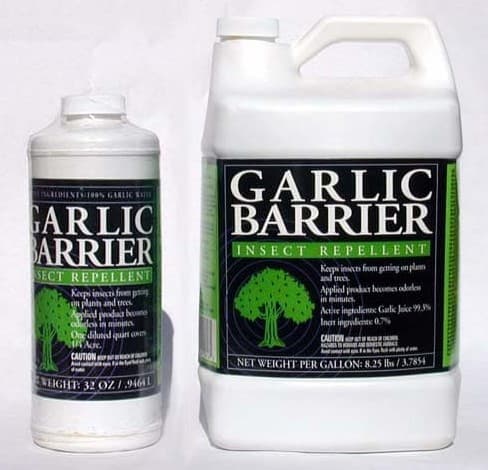
Organic Insect Repellents - Garlic Spray
Ingredients:
1 garlic bulb
2 cups water
1-gallon water
Instructions:
Take an entire garlic bulb and two cups of water and blend in a blender.
Mix at high speed for 1-2 minutes.
Pour into a container and set aside for up to one day.
Strain liquid through a cheesecloth.
Mix liquid with one gallon of water.
Apply liberally on top and bottom of leaves.
Organic Insect Repellents - Soap Spray
Ingredients:
liquid dish detergent
water
Instructions:
Put one tablespoon of dish detergent per gallon into a sprayer.
Apply liberally on top and bottom of leaves.
Re-apply after rain or one to two weeks.
Hot Pepper Organic Insect Repellents
Hot Pepper spray can be used to repel, deer, rabbits, and other pests from your flowers and some vegetables. Note, use caution with vegetables as a peppery taste may remain on the fruit.
Ingredients:
6 hot peppers (the hotter, the better)
2 cups water
1-quart water
Instructions:
Put hot peppers and two cups of water into a blender.
Mix at high speed for 1-2 minutes.
Pour into a container and set aside for up to one day.
Strain liquid through a cheesecloth.
Add liquid into a one-quart container. Fill the container to the top with water.
Apply liberally to plants. Re-apply every week to two weeks or after a rain.
Homemade Organic Insect Repellents - Tomato Juice
Tomato plants are mildly toxic. As a result, many insects avoid this plant. That makes it good as an organic insect repellent. It works well to control aphids and other insects.
Ingredients:
2 cups Tomato leaves and stems
1-quart water
Instructions:
Put 2 cups of tomato leaves and stems in a food processor.
Add 2 cups of water.
Process on high for two minutes.
Let stand overnight.
Strain through cheesecloth.
Add 2 more cups of water.
Spray liberally on roses and other plants that aphids are attacking.
Organic Disease Control - Fungicide/ Powdery Mildew Spray
Ingredients:
1-gallon water
3 Tablespoons baking soda
1 Tablespoon bleach
1 teaspoon liquid dish detergent
Instructions:
Snip and remove leaves that are worst affected.
Mix ingredients with water.
Spray remaining leaves top and undersides.
Apply a heavier dose on leaves that have signs of infection and only lightly on unaffected leaves as bleach can harm and discolor the leaves.
Extremely important: Do not use too much bleach! Use no more than 1 part bleach to 10 parts water. We hesitate to recommend using bleach as it can harm your plants if too much is applied. Use it at your own risk and try to avoid spraying it on healthy leaves.
Got Milk!?
Some people believe milk has germicidal properties and is effective against powdery mildew. Hard to believe? Even if this is not true, the liquid calcium in milk is healthy and essential for your plants. Just make sure not to put a large amount of milk onto your plants or into the soil Too much of a good thing is not so good.
May we suggest: Copper Sulfate for Powdery Mildew control. It is naturally occurring.
Organic Insect Repellents - Other Natural Materials
Marigolds and Nasturtiums are commonly grown as companion plants as they keep pests away. Try putting some of the leaves and stems in your blender. Let it soak for a day, drain, add water to dilute, and apply liberally.
If you are into experimenting, look up other companion plants and give them a try. You just might invent a new recipe to share with us!