A wide variety of animals see your garden as a restaurant offering a free meal. As a result, almost every gardener has to deal with animal pest control. There’s no shortage of plant pests. Isn’t it time to do something about it? Unfortunately, controlling animal pests is an important job for just about every home gardener.
Growing vegetables and flowers is your hobby, your passion. It is one of your greatest joys. You put love and care into growing your plants. You spend countless hours tending your plants, weeding them, and providing just the right amount of water and fertilizer. They respond well to your love and coaxing. Just as things seem perfect and harvest time nears, along comes a garden pest, eager to steal a free meal from your garden.
Gardeners spend a lot of time and energy fending off animal pest “freeloaders”. Some gardeners, especially new gardeners, experience so many wildlife problems, they give up gardening altogether (how sad!). Or, they curtail their hobby to just a few plants that area wildlife does not bother. Unfortunately, this is a very shortlist.
We’ve got great ideas to help you with animal pest control. Read on…………..
Pest Control - Major Culprits
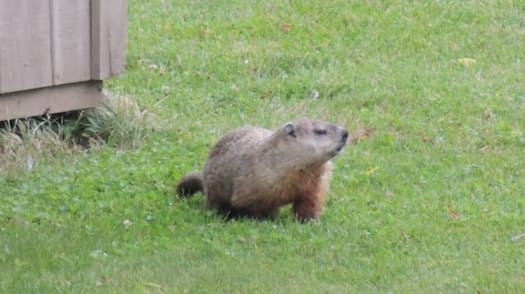
Controlling animal pests can be difficult. Here are some of the major culprits:
Bird Control – It’s for the birds. Bird control methods, bird netting
Squirrel Control – Some think they’re cute, some think they are nasty pests
Pest Control Ideas and Tips
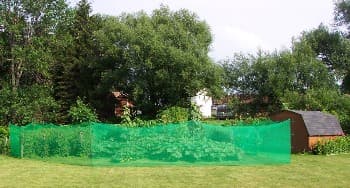
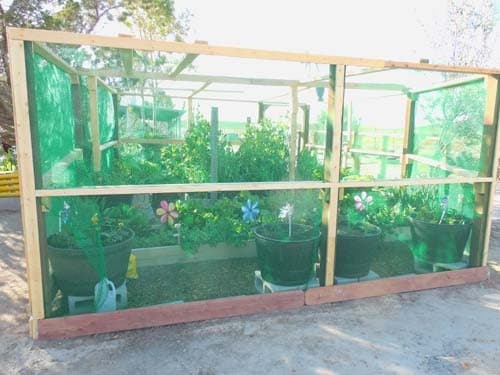
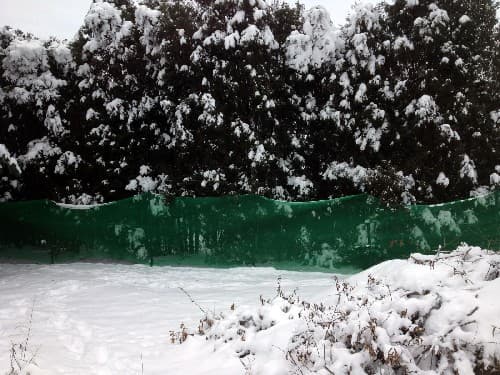
Step #1: Protect your garden with a four-foot rabbit fence. Small mesh pest netting keeps out rabbits and other small animals. Avoid wide mesh fencing and netting, that pests can squirm through. Use 1/2″ mesh or smaller.
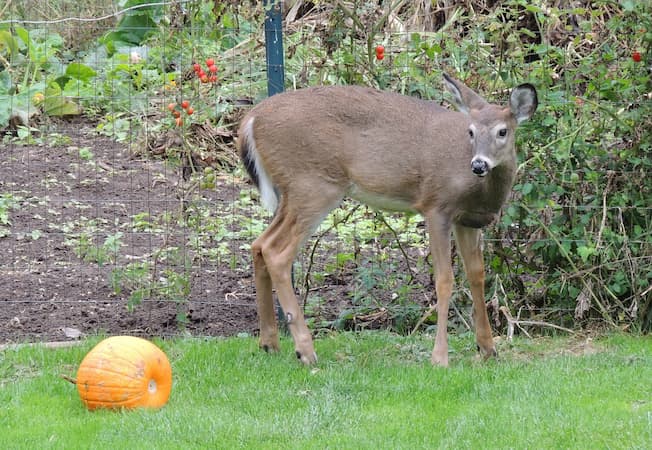
Deer are capable of jumping over a standard four-foot fence. Raise the bar. Use a clothesline or rope tied five to six feet above the ground over the fence. Or, top the fence with pest netting.
Step #2: Pests are persistent. Check the bottom of the fence, for signs of animals trying to burrow under. Rim the fence with boards or bricks, to deter animals from digging under the fence. Be vigilant. Check daily.
Step #3: Deterrent sprays are useful. Try concentrated Fox urine, a natural predator to garden munching animals. Garlic and blood meal, deter some animals. Hot pepper sprays deter deer, rabbits, and other pests.
Step #4: Use “Have-a-heart” or “Live Traps” to capture small animals, without harming them. Transfer them to another location, and release them far from your garden. Check local rules and regulations for trapping, transporting, and release of wild animals. Many communities allow homeowners to trap animals but require pest removal by animal control agents.
Step #5: Cats are natural pest control. They do a great job reducing the population of rabbits, rodents, birds, and other small garden pests.
Controlling Animal Pests - More Ideas
A Better Mouse Trap – Old-fashioned mouse traps are difficult to improve upon. It is environmentally friendly. Peanut butter is one of the best baits. Use mouse traps in sheds and under woodpiles. For use in the garden and open areas, cover them with a bucket or box. This offers some protection to domestic animals and kids, from accidents.
Many have asked: There are no practical ways, to keep those cute little chipmunk pests from becoming caught in traps. Sorry, traps do not discriminate. Chipmunks may be cute, but they are pests, a member of the rodent family.
Poison Baits: While you rarely see the dead rodent, manufacturers claim poison baits are effective. The only proof is a decline in rodent activity. These poisons are not good for the environment, or your health. Do not put them inside a vegetable garden. Very important: keep out of reach of children and pets.
Gas Bombs: It is not environmentally friendly, and you usually don’t see the results. It takes work to set up and is only effective if the rodent pests are in the tunnels.
Noisemakers: Birds are skittish. A little noise goes a long way in scaring birds away… for a while. Common noisemakers include aluminum pans (an increasingly rare commodity in a microwave society), wind chimes, and tape recordings of bird predators.
Replicas of Natural Enemies: Plastic owls and snakes sometimes fool birds. We believe you can fool some of the birds some of the time, but you can’t fool all of the birds all of the time.
Scarecrows: In use for bird control for over 3,000 years. Scarecrows are still commonly found in home gardens, protecting crops from birds. More on Scarecrows
Additional Pest Control Articles
Insect Control – Learn how to control and eliminate insect pests.