The Gardener's Network
Nav Menu

Holiday Insights


Amazon.com
Search for:
Growing Herbs
Herbs- Cooking

Growing Herbs in Herb Gardens

Herbs are essential ingredients for flavoring and spicing up recipes all over the world. Without them, eating would be pretty bland. Herbs add flavor, character, and uniqueness to recipes. Used alone or in combination, they help to make cooking fun and enjoyable, and eating a sheer joy!

Herb gardening can be done in a very little space. All it takes is a few herb plants, grown along the side of the house or garage, and you have an ample supply for the kitchen. Try growing herbs in a container on your balcony or deck. They are very comfortable in windowsill planters, too. Many herbs make good indoor houseplants during the winter months.

Varieties:

There are a wide variety of herbs which you can use. Depending on who is counting, there are 40 to 60 different kinds of herbs. Each one has it's own distinct flavoring. Most are easy to grow. There are annuals, perennials and even biennials.

With that many herbs, there should be lots or uses, right!?! Absolutely! Listed below are the different categories of herbs. Note, many fall into two or more categories.

Aromatic Herbs- Grown for their scent, aromatics herbs are used in flower vases or dried arrangements. Their oils are used in perfumes, candles, and toiletries to name a few. A couple of favorites are Lavender and Mint.

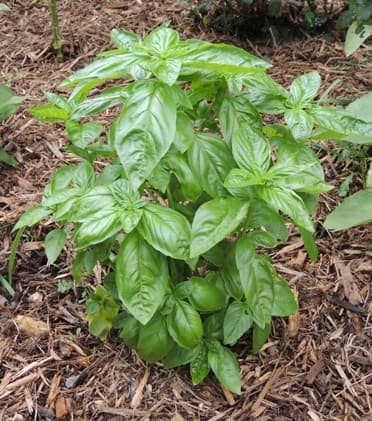
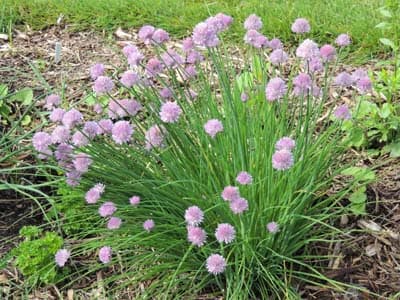
Culinary Herbs- We think of this category of herb first and foremost. Most gardeners grow a few or several varieties. Needless to say, food would be plain and boring without this group of herbs. Some of the more popular include Basil, Chives and Dill.

Medicinal Herbs - Since ancient times, many types of herbs have been used in medicine and believed to have the power to cure a wide range of ailments. We know some of them have been proved to be true. Others, like garlic, have preventative characteristics. (A garlic a day keeps the Cholesterol away" ...sorry, I couldn't resist!)

Also in ancient times, many herbs were believed to have the power to ward off evil spirits. We all are too familiar with the belief that Garlic worn around the neck will ward off vampires.

Ornamental Herbs- They are commonly grown for fresh or dried arrangements. Ornamental herbs also make the flower gardens look nicer. That is why herbs are often grown amidst the flowers. In this sense, they are used like a flower. You probably consider most of these to also fit within another category of herb. If so, you are right!

The Value of Medicinal Herbs:

Since ancient times, herbs were, and continue to be used for a wide variety of medicinal purposes. Some herbs, most notably Garlic, were used to ward off evil spirits. Over the years, many herbs were proven to be effective in the treatment of a wide range of ailments and injuries.


Planting Herbs:

Herb gardens are fun and easy to grow. They also take up little space. Many growers put herb gardens up against their house or garage wall, so they can walk out and pick the herbs they need for the day's meal.

Tip: If you are growing perennials or biennials, make sure to plan your Herb garden so as not to disturb them the next year.

You can select your own favorites, or buy a package with a wide variety. We encourage you to experiment and try new herbs each year. That way, you will be certain to try new recipes all winter long.

Most herbs grow best in well drained, fairly fertile soil with a neutral pH of 6.5 to 7.0.

Seeds can be sown indoors or out. Many seeds are very tiny and fine. Make sure not to plant them deeply. Just barely cover the seed and keep the top surface of the soil moist. Thin seedlings according to the instructions on the seed packet.


Insects and Pests:

Few pests affect the herb family. In fact, some herbs, such as garlic, are used in organic pesticide formulas. Occasionally mites and aphids can bother a number of herb varieties. See Organic Sprays.


Disease:

Disease is not too common among the herb family.


Harvesting and Drying Herbs:

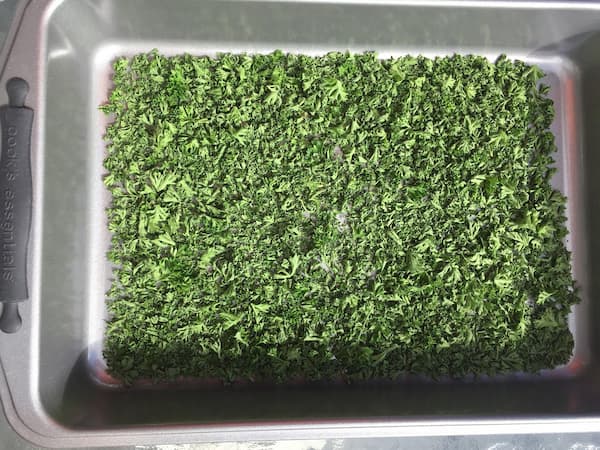
It is best to harvest herbs in the morning. This is when the oils are the highest concentration. Immediately after harvesting them, wash them in cool water. Then spread them out on a drying rack. Allow good ventilation. They should dry in two to three days. Many herbs can also be frozen for later use(culinary herbs).

Did you Know? It is the oil in herbs that gives herbs their aroma and flavor.

More on Harvesting and Drying Herbs


Find the specific Herb you are looking for:

Plant and Herb Index A listing of more than 800 plants and herbs.


More on Herbs:

Herb Seeds Looking for quality seeds? Stop here. Many herbs can be grown indoors during the winter.

Organic Herbs start with Organic Herb Seeds

Herb Gardening at Garden Hobbies

Medicinal Herb Garden from the University of Washington.

Download Herb Seed Catalog

Composters

About this Herb:
Anise
Balm Lemon
Basil
Caraway
Catmint
Catnip
Chamomile
Chinese Parsley
Chives
Cilantro/Coriander
Dill
Fennel
Garlic
Lavender
Marjoram
Mint
Oregano
Parsley
Rosemary
Sage
St. John's Wort
Tarragon
Thyme
Watercress

Drying Herbs

Shop For:

Gardening:
Annual Seeds
Perennials Seeds
Vegetable Seeds
Herb Seeds
Organic Seed/Supply

Flower Bulbs
Composters
Greenhouses
Houseplants
Planters
Raised Beds
Supplies

Tools

Yard & Deck:
Grills
Hammocks
Hose Carts/Reels
Outdoor Fireplace
Outdoor Storage
Statues/Elves
Pest Control

Seasonal:
Halloween
Thanksgiving
Christmas
Other Holidays
Carving Stuff
Jello Molds
Lights
House Flags
Candles
Decorations
Kitchen/Party Supply

TGN OnLine Florist


| Home | A to Z's of Growing | Flowers | Fruit | Bulbs | Vegetables | Lawncare | Pumpkins | Houseplants |
| Shopping |
Herbs | Organic | Fun and Games | 4 the Birds | Garden Recipes | Advertise | Contact Us |


Copyright 1999 - 2009 © Premier Star Company