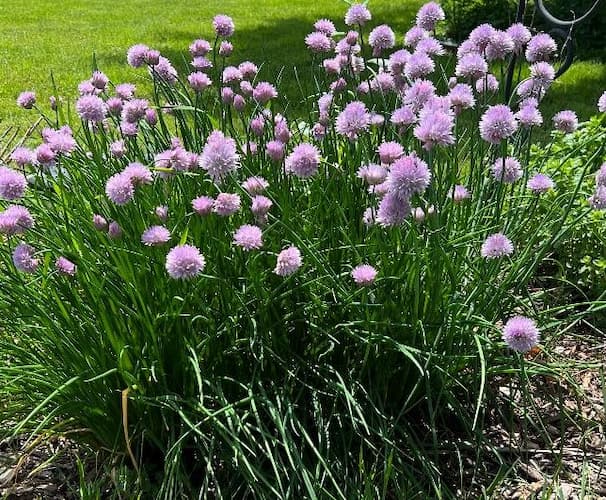
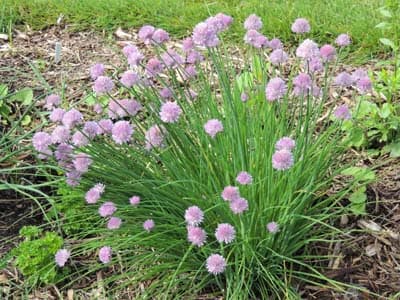
Without a doubt, Chive plants are the absolute easiest herb to grow. This herb might be the easiest plant to grow, period. Indoors or outdoors, chives, or allium, are a gardeners’ favorite. They propagate and spread easily. Once you plant this perennial herb, you’ve got them growing forever!
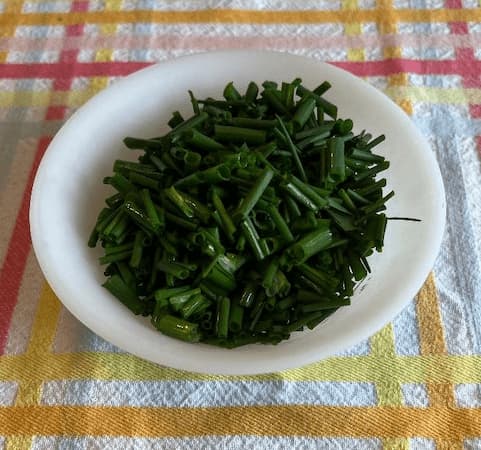
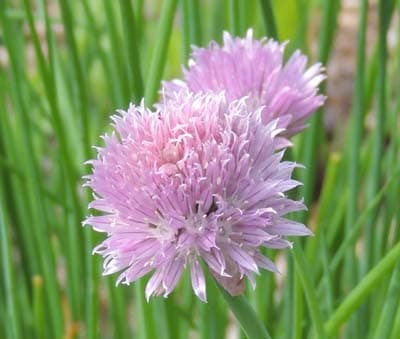
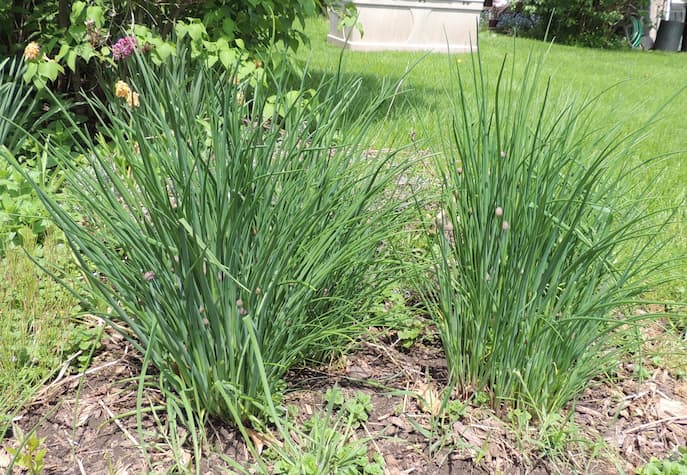
Chives are native to cooler regions of Asia, Europe, and North America. Folks in these areas of the world could not keep this wonderful herb a secret. As a result, they are commonly grown by millions of home gardeners all over the world. They are a member of the onion family. Chive herb plants have narrow, tubular leaves that are delicious snipped fresh into any dish where onions are used. If you let them grow, they will produce pretty, round blooms. Hence, it is right at home in a flower garden. The hardy plants need little care outdoors, and just a little love indoors.
While there are several varieties, two are most common in the United States. The first and most popular is “Common Chives”. It has a mild, onion-like flavor. The other is “Garlic Chives” which have a slightly stronger garlic flavor.
Most varieties grow just 6-10 inches. Therefore, they are perfect in window boxes or patio containers. Its cousin, Garlic Chives, grows a little bigger, about 12 to 40 inches, and has a white flower.
This herb shines in the kitchen. Use them in salads, soups (they are great in tomato or potato soups are great!), in tuna fish, baked potatoes with sour cream, cream cheese (on bagels), Mexican dishes, and wherever you would use onions. Also, from a health perspective, they are high in vitamin C.
Furthermore, they are a great, edible houseplant. If you grow them all winter in a sunny window, then you can harvest them as needed.