The Gardener's Network
Nav Menu

Holiday Insights


Amazon.com
Search for:
Flowers
Annuals
Perennials
Bulbs

Arborvitae

Cupressaceae, Thuja Orientalis

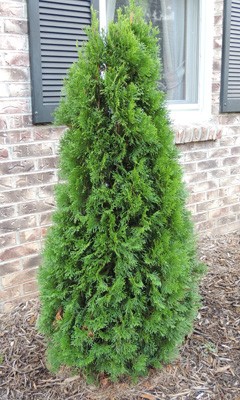
Belonging to the evergreen family, Arborvitae are native to eastern Asia and North America. They are identified by their small, scalelike leaves on flattened branches. There are many varieties, with the largest growing over 40 feet. Among the most common is the Oriental Arborvitae from China, American Arborvitae, Northern White Cedar and Western Red cedar which originated in North America. Arborvitae are classified as members of the Cypress family.

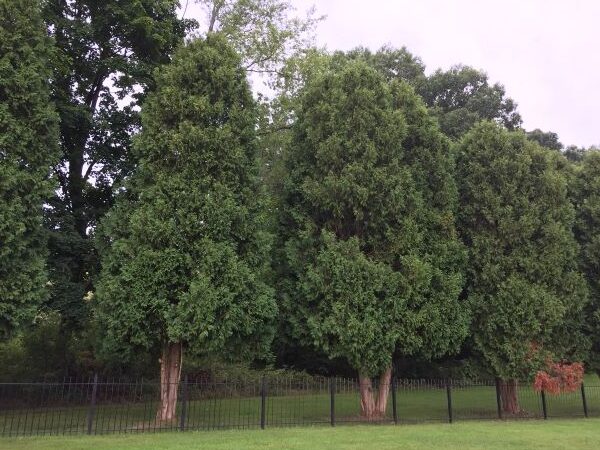
Coming in a variety of shapes and sizes, homeowners love aromatic Arborvitae. It is one of the most popular foundation plants, and is extremely popular as a fencing or hedgerow plant.

Arborvitae are easy to grow, and fast growing. Once planted, they require little care and maintenance. An annual pruning keeps them in the desirable shape. Most importantly, Arborvitae benefit from providing some winter protection against damage from ice and snow.

Did you know? Arborvitae leaves were once used as a remedy for Rheumatism.


How to Grow Arborvitae:

Arborvitae are easy to grow and maintain. Once established they will thrive for years with a little pruning and care. While they prefer slightly acidic soil, they will grow in a variety of soils, from clay to sandy loam. Moist, well draining soil is preferred, but they will tolerate extremes. Arborvitae grow well in full sun of partial shade.

Most arborvitae are grown either as foundation plants around homes and buildings, or a hedgerow or fence rows. After selecting a location, dig a hole deep and wide. Mix generous amounts of compost with soil from the hole. Place the plant in the hole and fill with soil and compost. Tamp the soil lightly. Water generously when planting. Keeping the soil moist in the first few weeks after transplanting will help to promote new root growth.


Pruning Arborvitae:

Once established, your arborvitae will grow with little care for years. The biggest task is pruning. While people tend to prune them a few times a year, pruning is best done once in the fall or early winter. If pruned in the summer, the tips of the pruned branches can turn an unsightly brown. If you can't prune them in the fall or winter, do so early in the season while new growth is still appearing.


Propagation:

 New Arborvitae plants are propagated by seed or cuttings.

When growing from seed, collect seeds in the fall. Start in peat pots indoors in early spring, or sow directly into a seedbed outdoors. Transplant seedlings into a garden several weeks later.  

To grow from cuttings, cut a 4-5 inch branch of new growth. Strip away the lower leaves. Plant in coarse, well draining sand. Keep the soil most.


Winter Protection for Arborvitae

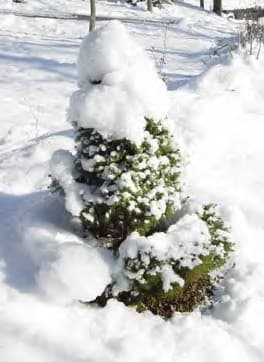
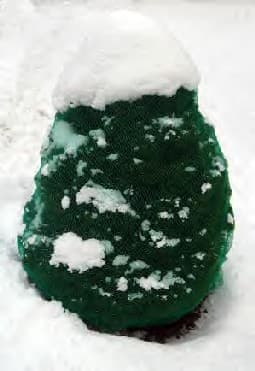
Unprotected With Shrub Guard

In cold climates, it's important to provide winter protection for Arborvitae. Snow and ice buildup can damage or break individual branches, or the whole tree.  Shrub protection against foraging deer, rabbits and rodents is also important.

Many people use burlap to cover the plants. It's effective, but unsightly. It can also cause mold and mildew on the plant. Another alternative is heavy duty, multi-strand netting. The netting is made of UV protected material, and will last for years. Selecting a green netting results in a barely visible protection against animals, as well as protection from breakage of individual branches. when snow and ice buildup is a problem. 

Buy shrub and tree protection now!


Varieties:

Arborvitae are native to North America and eastern Asia;. The most common varieties include:

  • Oriental Arborvitae

  • American Arborvitae, also called Giant Arborvitae

  • Emerald Arborvitae

  • Globe Arborvitae


Pests of Arborvitae:

A number of animals will feed on Arborvitae, especially in the winter months when other food sources are scarce. They include deer, rabbits, mice, and other rodents.

Occasional insect problems can occur from  mites and bagworms. Use insecticides only if necessary.


Diseases Affecting Arborvitae:

The most common plant problems are molds and mildew, often caused in cool, damp weather. Drowning of roots can also occur in wet weather.

Cankers and sun scorch are also an occasional problem.


A favorite Fall pastime is planting fall bulbs. These bulbs turn into the first blooms of spring, brightening up and chasing away the dull, grey winter scenery.


Pest Control

Shop For:

Gardening:
Annual Seeds
Perennials Seeds
Vegetable Seeds
Herb Seeds
Organic Seed/Supply

Flower Bulbs
Composters
Greenhouses
Houseplants
Planters
Raised Beds
Supplies

Tools

Yard & Deck:
Grills
Hammocks
Hose Carts/Reels
Outdoor Fireplace
Outdoor Storage
Statues/Elves
Pest Control

Seasonal:
Halloween
Thanksgiving
Christmas
Other Holidays
Carving Stuff
Jello Molds
Lights
House Flags
Candles
Decorations
Kitchen/Party Supply

TGN OnLine Florist


| Home | A to Z's of Growing | Flowers | Fruit | Bulbs | Vegetables | Lawncare | Pumpkins | Houseplants |
| Shopping |
Herbs | Organic | Fun and Games | 4 the Birds | Garden Recipes | Advertise | Contact Us |


Copyright 1999 - 2009 © Premier Star Company