How to Grow Beans
There is a wide variety of beans. You could say there is a bean for everyone.
Each type of bean has a different distinct flavor, and is used in different
ways.
A bush or a vine? That is the question.
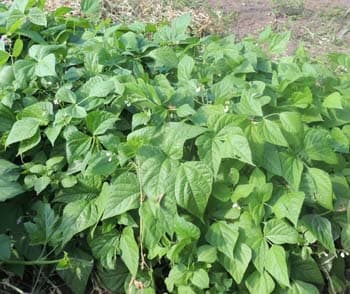
Many varieties of beans can be found as either a pole or a bush bean. Bush
beans grow as small bushy plants close to the ground, and need no support.
A Pole bean is a vining variety. It needs support of a pole, trellis or fence,
to grow and thrive. It also requires a slightly longer time to reach maturity.
Once a pole bean begins to produce, it tends to produce for a longer period
of time. A great advantage of pole beans, is the bean grows straighter and
it stays off the ground. Pole beans are cleaner and easier to pick.
Did you Know? Astronauts are not allowed to eat beans before they
go into space because passing wind in a spacesuit damages them. Not to mention
the another drawback in such a confined space....
Varieties:
-
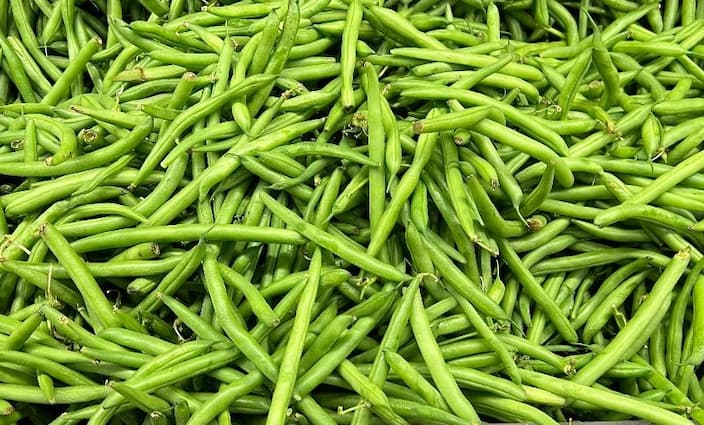
Green Beans- There are bush and pole green beans. Among the pole beans, you
can find an Italian or Roma bean which is long, flat, and has a stronger
flavor. Green beans mature in 60-75 days ,depending upon the variety. Pole
varieties take the longer time period to mature. Harvest when the bean reaches
full size, but before the pod gets too fat, An over ripe pod is tough. The
bean loses it's sweetness and becomes bitter.
-
Yellow Beans- Yellow beans only come in bush variety. However, most will
agree it is the far better tasting of the two. And, more tender too.
-
Lima Beans, sometimes called Butter Beans, come in bush or pole varieties.
They are a flat and rounded bean with a distinct flavor. Baby Lima beans
are the sweeter of the varieties.
-
Shell Beans- There are a wide variety of shell beans, the most common of
which is the Navy bean used to make baked beans. Shell beans are grown for
the seed or bean inside the pod or shell.
-
Fava Beans- A big, fat bean grown for it's seed. Fava beans are great in
soups.
-
Blackeye Peas - Is it a bean or a pea? You make
the call. It's also called "Cowpeas". This favorite southern bean is grown
for the bean inside. It grows in a slender pod which looks like a green bean.
The bean inside is tan in color, and has a black circle on it with a beige
spot in the middle of the circle. Hence it's name "Blackeye".
-
Soybean- High in protein, fiber and calcium. Its
health and nutrition benefits, makes it increasingly popular in home gardens.
-
Scarlet Runner Bean - an edible
ornamental bean.....KEWL!!!
Days to Maturity:
Ranges from 60 to 90 days depending on variety. If planted early, many areas
can plant a fall crop.
Sowing Bean Seeds:
Plant beans outdoors after the last frost date for your area. Follow the
spacing directions on the packet. Plant spacing can vary significantly by
type of bean. Bean seeds are big, making them easy to space.
Water well after planting, and a second time to to four days later, only
if there has been no rain. You can also side dress the rows with general
purpose fertilizer.
How to Grow Beans:
Grow bean plants in full sun. They prefer rich, well draining soil. The plants
are heavy feeders. Add compost prior to planting. Apply a side dressing of
fertilizer, to give these plants a fast start as soon as they germinate.
Thin seedling to proper distance, as noted on the seed packet. If there are
no directions, space plants three inches apart in rows three feet apart.
Double rows are common in home gardens. When using double rows, leave enough
room for the them to grow without the rows overcrowding.
Pole beans and vining bean crops require some support. Fences, trellis,
poles, or netting should be provided in sufficient height for maximum
growth of the vines. Pest and Plant Netting works well as a support,
too. Set up the netting like a fence. You can also use the netting to cover
the crop to keep pests out.
Veggie Cages Throw away the wire and hoop cages.
This revolutionary cage expands a whopping 7ft! Stores flat in almost no
space. Try them on sweet peas, tomatoes, pole beans, and other climbing climbing
flowers and vegetables.
For maximum growth and harvest, water frequently, especially during dry periods.
Try to keep the leaves dry as you water. This will help avoid fungus diseases.
Apply a general purpose fertilizer once a month during the season.
Keep beans well weeded all season long.
Harvesting Beans:
As a rule of thumb, pick beans while pods are still tender. Pods can get
stringy, especially as they mature.
For dried beans, pick after the pods have dried. The beans can be allowed
to dry right on the vine.
Insects and Pests:
Most varieties of beans are susceptible to a variety of insects, most notably
beetles. They can be effectively treated with Sevin, Diazinon or a variety
of other insecticides.
Bunnies love beans! Rabbits eat the the tender new leaves. If there are rabbits
in your area, a rabbit fence is not a nicety, it is a necessity. They will
devastate a row of beans in a hurry, eating the tender new leaves. As new
ones develop, they will come back for more.
Pest netting is effective for bunnies.
More on control of rabbits in the
garden.
Deer love to nip leaves of beans. If deer are a problem in your area, they
will be a problem with your runner beans. Fencing or
pest netting is the most effective control.
More on how to control deer in gardens.
Disease:
Bacterial and wilt diseases are common among the Bean family. This plant
disease arrives with summer heat and humidity. This often occurs just before,
or during, the ripening of the crop. Fungicides are recommended in areas
of high heat and humidity.
Tip: Keep the leaves dry and allow more spacing between plants for
better air circulation.
Hardiness:
Beans are not a hardy plant. They are susceptible to cold and frost. Hold
off planting until a few days before all danger of frost is past. In the
fall, cover the crop on nights when the temperature is expected to go below
40 degrees.
More Information:
Three Bean Salad Recipe
Our Garden Recipe Collection
Buy Bean and Vegetable Seeds Finest quality Ferry
Morse Seed, America's oldest seed company with their famous "guarantee to
grow".
Pest Netting - Keep rabbits, deer, and other foraging
animals out!
Are Deer, Bunnies or birds feasting on your plants?
Brunch time is over.....period!
Buy the Buffet Buster now! |