How to Grow Sweet Corn, Popcorn and Indian Corn
Corn is among the most popular of vegetables. People look forward all year
to fresh corn on the cob in late summer. Very little compares to the fresh
taste of corn picked from the garden, moments before it is cooked. Corn loses
it's flavor very rapidly. Once it is picked, the sugars immediately begin
to turn to starch.
The only trouble with corn, is it requires a large amount of space to grow.
Most backyard gardeners grow tomatoes because they can grow as few as one,
and take up very little space. Even urban backyard gardeners have enough
space for a single tomato plant. Planting Corn requires a minimum of three
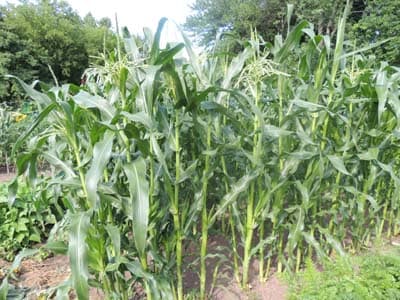
rows (ideally four) of about four feet in length. The space between
rows needs to be three feet. This minimum space allows adequate pollination
for the corn. Corn is pollinated by pollen from it's tassels (the tops of
the corn plant). Compare this to tomatoes, which are self pollinating (which
is why you can grow a single plant).
Corn will usually produce one to two ears. It is also a favorite for fall
decorations where the stalks can be used in a variety of outdoor displays.
As a result you get two uses out of your crop. If you are a farmer, livestock
can be fed the corn stalks after the fall decorations are through.
Varieties:
-
Yellow corn- The most common and popular of varieties. There are a wide range
of types of seed within this category.
-
White Corn- With white kernels, this author and many others consider white
corn to be among the best tasting corn you can find. Among this category,
Silver Queen corn is the most popular by far.
-
Bi-Color- This variety boasts both yellow and white kernels. Not only does
it taste good, it looks good too!
-
Popcorn- Kids and adults will enjoy the thrill of growing their own popcorn,
and popping it in the fall. The ears need to thoroughly dry. Rub two dry
ears together to remove the kernels from the cob, or take the cob with kernels
still attached, and pop it in the microwave!
-
Broom Corn- Few people today are familiar with Broom corn. This corn was
grown for the thin, strong stalks. They would be dried, then tied at the
end of a stick to make a broom.
-
Ornamental Corn- This corn is grown only for decorative purposes. It is dried
and the ears are used to decoration for Halloween, Thanksgiving, and other
fall events.
-
Tall stalks- This corn is grown for it's tall stalk. It is used in competition
at fall festivals. A corn stalk from this variety can grow over twenty feet!
Days to Maturity:
Ranges from 65 to 95 days depending on variety. Among the longest varieties
are "Silver Queen", one of the all time favorites, and certainly worth the
wait. While some of today's enhanced sugar varieties claim to have higher
sugar content and sweetness, Silver Queen remains the favorite "Queen of
the Corns".
How to Grow Corn Plants:
Grow corn in full sun and a rich garden soil.
Plant corn seeds in rows, about 1/2 to 1 inch deep. Space four to six inches
apart in rows three feet apart. Some home gardeners will plant two seeds
close together then, thin out one of them if both grow. This assures maximum
use of limited garden space, with no gaps due to poor germination. Another
method is to space the seed closer together, then thin them. Water well after
planting, and again two to four days later if there has been no rain.
To assure proper pollination, plant four rows four feet long.
Tip: Some gardeners try to transplant corn seedlings to fill gaps
in the row. In general, corn, does not transplant well. You can succeed however,
under the right conditions. First, transplant when the seedling is very small.
Second, transplant in cooler weather and near evening. Dig extra deep to
extract the plant as corn seedlings send out a long, deep tap root. Finally,
water well and daily for about a week.
Fertilize with a general purpose fertilizer every two to three weeks.
Water regularly in dry weather. Water deeply.
Keep corn plants well weeded in their early life. Place mulch between the
rows to keep weeds down.
Insects and Pests:
Corn Ear worms and silkworms are the most common pests. Insects are not often
a problem until the ears begin to form. Entry is through the silk. Sevin
dust is very effective when applied directly on the silk, or dusted in the
air.
To control corn earworms, some people apply a couple drops of mineral oil
on the silk. Apply it after pollination. The mineral oil suffocates the earworms.
Deer are also be a problem if they exist in your area.
Occasionally birds will enjoy a meal on your corn. Bluejays are common feeders
in cornfields.
Diseases of Corn:
Until the ear begins to form, corn usually experiences few disease problems.
Occasionally a corn fungus develops at the ear. It is a black-ish, purple
colored glob. It grows in rainy weather. If corn fungus is present, remove
and destroy the plant. Put it in the garbage and not in your compost pile
where the fungus can harbor and be transferred to other crops.
Did you Know? That ugly, black-ish, purplish corn fungus on your corn
stalk is edible. It is considered a delicacy to some. In Mexico, it is called
"cuitlacoche" and is considered a delicacy.
Harvesting Corn:
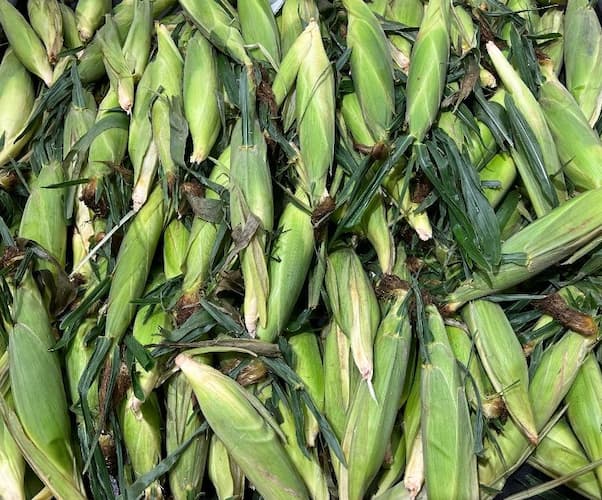
Corn is at it's best when the kernels have just filled out. It is best to
pick corn just before eating. If you need to store it, harvest corn in the
morning when it is at it's peak sweetness.
-
Corn is ready when the silk has dried and and turned a dark brown.
-
If you are inexperienced at picking corn in the field, select an ear that
looks ripe. Without taking it off the plant, pull back the husk just enough
to expose the tip of the ear. If it is not ripe, close it back up and tie
a "twister" around it to seal out the bugs.
-
Pull ears down, while twisting, to break them off the plant.
-
It helps to hold the cornstalk with your free hand. This avoids breaking
the stalk of the plant.
On the Grill: On those hot summer days when it is too hot to boil
water indoors, try grilling corn. Just soak the ears, husk and all, in a
bucket of water for a couple of hours. Then, cook it on your grill, turning
regularly. When it's done, pull off the husk, eat and enjoy!
Hardiness:
Corn likes it hot . It is somewhat resistant to dry weather. It sends it's
roots deep, seeking moisture in the dry summer conditions. It will be one
of the last garden vegetables to wilt in the heat of the sun and drought
conditions. Corn does not like frost or freezes. Although they may survive
light or scattered frosts.
Thought for the Day: If Jimmy cracks corn, and no one cares, why is
there a song about him!?
More Information:
Buy Sweet Corn, Indian Corn, Popcorn and Vegetable
Seeds Finest quality Ferry Morse Seed, America's oldest seed company
with their famous "guarantee to grow".
Creamed Corn Recipe |
|
Sponsors -
Shop For:
Gardening:
Annual Seeds
Perennials Seeds
Vegetable Seeds
Herb Seeds
Organic Seed/Supply
Flower
Bulbs
Composters
Greenhouses
Houseplants
Planters
Raised Beds
Supplies
Tools
Yard & Deck:
Grills
Hammocks
Hose Carts/Reels
Outdoor Fireplace
Outdoor Storage
Statues/Elves
Pest Control
Seasonal:
Halloween
Thanksgiving
Christmas
Other Holidays
Carving Stuff
Jello Molds
Lights
House Flags
Candles
Decorations
Kitchen/Party Supply
TGN OnLine Florist
|