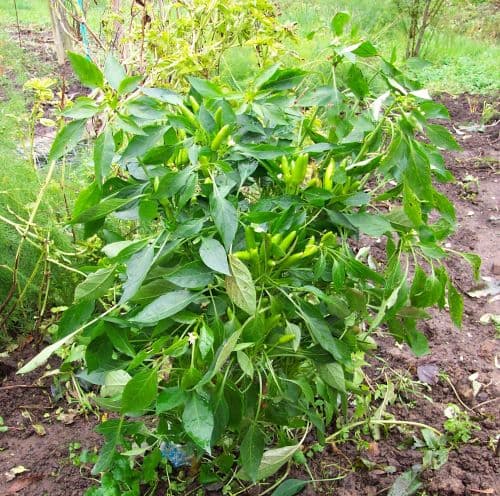
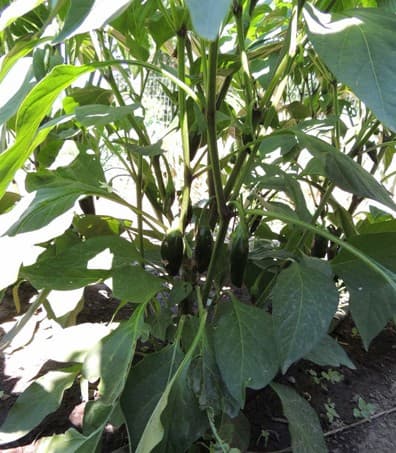
Hot Peppers are one of America’s hot garden plants. They are easy to grow. And, they provide a “kick” to meals and snacks. Whether you’re a new or experienced gardener, you’ll grow better peppers by using our guide on “How to Grow Hot Peppers”.
As a lover of hot peppers, you will likely grow several varieties. In addition to varying degrees of “heat”, each hot has its own taste and texture. Think of what you can do with the choice and selection! For starters, there are recipes galore. And, many recipes call for a specific variety of hot pepper. Try substituting with different varieties. Perhaps, you will make your own hot sauce or salsa. You can also hold a “hot pepper tasting”. You, your family, and your friends can sample the different varieties, and rank them.
Did you know? The hottest part of the fruit is the seeds. Of course, you did!!!
How hot is hot? Ask several people what is the hottest variety of peppers. Without a doubt, you get several different answers. Capsaicin is the chemical ingredient that makes hot peppers hot. The Scoville Organoleptic Scale was created in 1912 to measure the level of capsaicin in hot peppers. The unit of measure for the scale is Scoville Heat Unit (SHU)
Did You Know? Pure Capsaicin has a SHU rating of 15,000,000 to 16,000,000.
The Hottest Hot Pepper: The Dragon Breath Chili is currently the hottest of the hot peppers at a scorching 2,400,000 SHU. However, we state “currently” as the record is broken every year or two.
Common Varieties of Hot Peppers and Their Scoville Rating
Plant Type: Mostly annuals. But, there are a few perennial varieties.
Deer Resistant? The fruit is not on a deer’s menu. Yes. However, Deer will consume the leaves of the plant when other food sources are scarce.
Native To: Central and South America.
Botanical Name:Capsicum annuum
Nutrition Facts
One hot pepper contains approximately:
9 calories
2 g carbs
0 cholesterol
0.1 g fat
0.1 g fiber
0.2 g protein
20 mg sodium
Did You Know? Peppers have over 90% water content.
Note: The figures above vary by type of pepper and size of the fruit.
Light Requirement
While Hot pepper plants tolerate a little light, shade, they grow best when planted in a location where they receive at least six to eight hours of direct sunlight. With full sunlight all day long, and optimal growing conditions, the plant and the fruit will achieve their optimum growth potential.
Planting Hot Peppers
All pepper plants are best started indoors, eight to ten weeks or more before the last frost date for your area. They are somewhat difficult seed germinate. Seedlings grow slowly at first. As a result, many growers simply visit their local garden store for a seedling to transplant. Avid garden hobbyists will find pleasure and satisfaction in starting their own pepper plants indoors.
Tip: Provide bottom heat or heat lamps to raise the soil temperature to 80 degrees. This will promote better and quicker germination.
How to Grow Hot Peppers
Hot Pepper plants are grown in the same manner as sweet peppers. Grow the plants in full sun. Prepare the garden, adding plenty of compost, manure, and a general fertilizer.
No matter what variety you grow, they like the weather hot. Transplant young seedlings outdoors after the last chance of frost. If the weather is still cool, delay transplanting a few days, to avoid stunting the plants. Keep them in a cold frame, indoors or next to the house.
Space 18-24 inches apart, in rows 24 to 36 inches apart. This spacing will vary somewhat, depending upon the variety of hot pepper you are growing.
Hot Pepper plants prefer moist soil. Add plenty of water during hot, dry summer months.
Add mulch around the peppers to keep down weeds, and to retain soil moisture. As the peppers develop, switch over to a fertilizer higher in Phosphorous and Potassium. Gardeners often make the mistake of providing too much nitrogen. The result is a great-looking bushy, green plant, but few fruits.
Peppers are self-pollinators. Occasionally, they will cross-pollinate from pollen carried by bees or other insects. If you are going to save the seeds for next year, you need to minimize the possibility of crossbreeding. Do not plant different varieties near each other.
Many insects are harmful to pepper plants. Spider mites and aphids are the most common, with an occasional borer. In many areas, it is infrequent. For the infrequent problem, try an organic insecticide or dust.
Deer will eat the leaves of any and all pepper plants, even hot varieties.
Plant Problems – Diagnosis, causes, and cures for many common plant problems.
Plant Disease
While many viruses and diseases can affect Pepper plants, it is somewhat infrequent. Fungal infections can be treated with fungicides. Apply treatment as soon as you see it
How to Grow Hot Peppers - Harvest Time
Days to Maturity: The days to harvest varies widely, depending upon the varieties you choose to grow. So, read the package for the specific time for the variety you acquire.
Peppers can be picked as soon as they reach an edible size. Leaving the fruit on the vine to mature, maximizes their “heat”, or capsaicin in the fruit.
Continuous harvesting will promote new fruit to set.
Plant Hardiness
No doubt about it, your hot peppers like warm weather. Like sweet peppers, they do not like frost. In the spring, frost will stunt or kill the plants. Cold weather can cause the plant to slow down or stunt it. In the Fall, cover the plants, if frost is expected.
Tip: For a quick cover-up on cold fall nights, use five gallon buckets. They are the perfect size, and can be quickly placed over the plant.