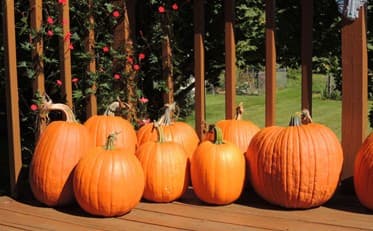
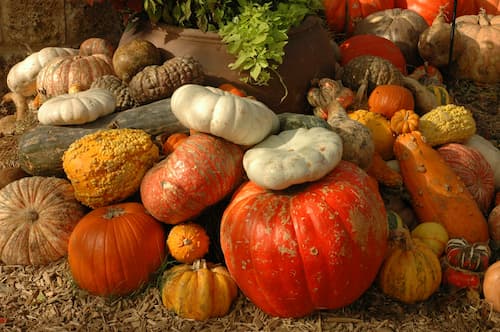
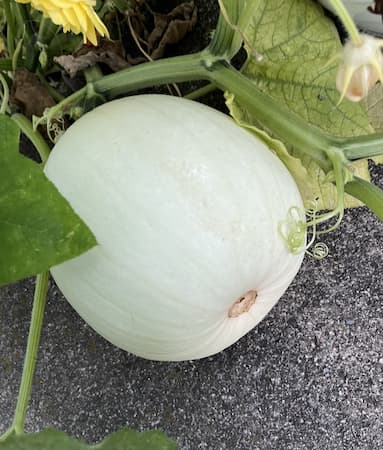
There’s something special about pumpkins. Everybody loves them. As a matter of fact, people are fascinated by them. It is the only fruit or vegetable that people play with. And we do so in a big way. Of course, every gardener loves growing them. But, many people do not believe they have the space. But read on. You will be pleasantly surprised, to discover that you can plant a few pumpkin seeds and be growing them in very small and unique places. So, read this guide on how to grow pumpkins from seed to harvest. Next, grab a packet of your favorite pumpkin seed variety. Then, plant them in your pumpkin patch!
Did you Know? A pumpkin becomes a Jack O’ Lantern, when it is carved.
Botanical Name:Cucurbita
Varieties of Pumpkins
Which varieties will you grow in your pumpkin patch this year? Not all pumpkin seeds are the same. There are literally hundreds of varieties, from the small miniatures which only weigh a couple of ounces, to the giant varieties that routinely show up at fall weigh-offs at over 2,500 pounds and more! See the world record
Pumpkins belong to the “Cucurbita” family. There is a wide range of varieties falling into these categories:
Cucurbita Moschata— This group of primarily squash includes the varieities most commonly used for commercial canning. Commercial pumpkin varieties usually have tan-colored skin.
Cucurbita Pepo– These are the Jack-o-Lanterns that you carve on Halloween, as well as the cute little miniature varieties that fit in the palm of your hand. Some of the most popular varieties include:
Cucurbita Maxima– Maxima, as its name implies, are the giant varieties. Giant pumpkin growing has become a very popular hobby. Competitive growers of these behemoths of the pumpkin patch are among the most devoted, and perhaps fanatical of gardeners. Popular giant varieties include:
Deer Resistant? No. Deer and rabbits make a meal of the tender growing tops. Deer eat the ripe fruit in the Fall when other food becomes scarce.
Native To: North and Central America.
Botanical Name:Cucurbita
How to Grow Pumpkins
Light Requirements
Pumpkin plants thrive in full sunlight. Grow them in a location where it will receive at least eight to ten hours of bright, direct sun. For optimal plant and fruit growth, select a planting location where it will receive full sun from sunrise to sunset.
Planting and Soil Needs
Pumpkin plants can be started indoors 2-3 weeks before the last frost date in your area. Or, seeds can be directly seeded into your garden. Plant these tender annuals outdoors after the last frost date for your area.
Garden Tip: Use 3 to 4-inch peat pots for indoor starts. This will give the roots of your young plants room to grow. Also, it helps to minimize transplant shock.
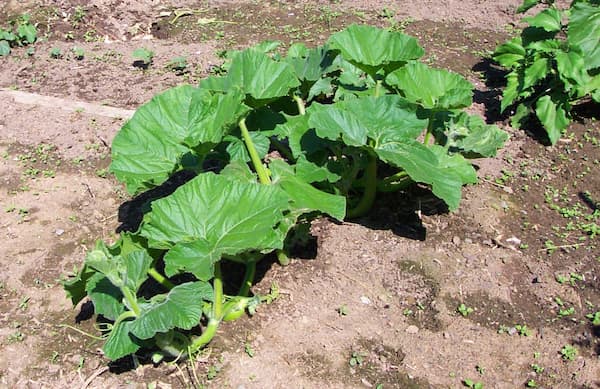
Pumpkins are vining plants that can quickly spread very far. Follow the spacing directions on the packet. They can vary significantly variety. Water well after planting, and a second time two to four days later, only if there has been no rain.
Pumpkin seeds can be planted in hills four to six feet apart. Sow four to six seeds per hill, thinning to two to three. Or, plant in rows six inches apart, thinning to 1 to 3 feet apart, depending upon how much space you have. Plant miniatures closer, and Giants farther apart.
Fertilizer Needs
As you gain experience how to grow pumpkins, you will quickly learn that the plants are big feeders. They need very rich soil, with lots of compost and manure (if you can get it). Fertilize regularly. Use a high nitrogen formula in early plant growth. Switch over to a fertilizer high in Phosphorous (the middle number) just before the blooming period.
And, don’t hesitate to give the plants a liquid fertilizer, too. Spray the liquid fertilizer on the leaves, because the leaves will absorb it.
Water Needs
The plants also need lots of water. Try to keep the soil moist, not wet, at all times. If the soil dries out, then it stresses the plant and may cause the fruit to ripen prematurely.
It is also important to avoid getting the leaves wet, if possible. Heat and humidity are the perfect ingredient for powdery mildew, a major problem for your pumpkin patch. Also, avoid watering near dark.
Other Steps
Keep the pumpkin patch well-weeded all season long. Otherwise, the weeds will rob valuable nutrients and soil moisture.
We highly recommend surrounding your pumpkin patch with a fence to keep deer and rabbits out.
On occasion, pollination can be a problem. For tips and information on pollination, see:
Gardeners love pumpkins. Insects and a wide variety of pests love ’em, too. The most common insects are Cucumber beetles, squash vine borers, and squash bugs. Dusting or spraying regularly before an infestation occurs, is recommended.
Squash Vine Borers (SVB’s) are a serious problem in some areas. SVB’s bore into the vine and eats the vine from the inside out. Untreated, it ends your season. More on Squash Vine Borers.
Squash Bugs will suck the juices of plants. If severe, the plant will die. More on Squash Bugs
Among the animals that love either the plants or the fruit are bunnies, woodchucks, squirrels, and deer. Use animal repellent like pepper and garlic sprays as needed. More on sprays.
Is Your Pumpkin Patch Space Limited?
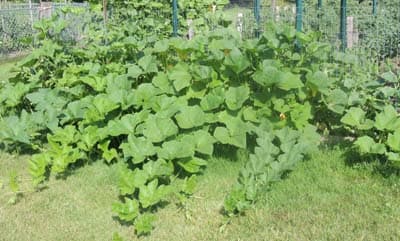
When it comes to growing pumpkins, where there’s a will, there’s a way. Let the vines grow across the lawn or sidewalk (see picture above). It’s only for a few weeks. You might be amazed at some of the places where people have grown them. We received an email from a woman in Los Angeles. She was growing them on the rooftop of a high-rise apartment, inside of an old kiddie pool. Also, it is possible to grow them in big 5-10 gallon buckets. Although they do need much more care with water and fertilizer. Try miniature varieties in buckets or large containers on your deck. Let the plants hang off the deck.
Therefore, we challenge you to use your imagination and find ways to grow our beloved fruit.
Plant Disease
A variety of diseases affect pumpkin plants, most notable is powdery mildew. Apply fungicides at the first sign of a problem. Better still, apply them before plant disease problems occur. Hot, humid weather encourages pumpkin diseases.
Tip: Allow enough time after watering for the leaves to dry before evening. Water on the leaves in warm weather encourages plant disease.
When to Pick Ripe Pumpkins
Days to Maturity: Days to maturity vary widely, depending upon variety. Plan 90-100 days for miniature pumpkins, 100-120 days for Jack O’Lanterns, and 130-160 days for giant pumpkins.
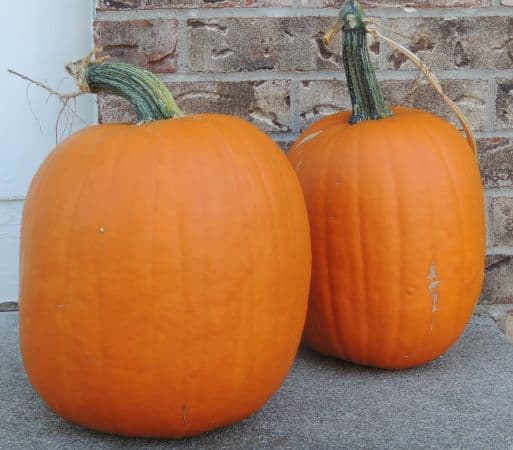
It’s easy to tell when an orange pumpkin variety is ripe. It turns a bright orange. Pick them as soon as they are ripe. Then, put them somewhere in or around the house where they can glow!
However, it is not quite as easy to tell when a non-orange variety is ripe. For these varieties, use these clues:
All growth has stopped.
The stem turns dry and brown.
The shell hardens.
If your pumpkins ripen early, we recommend you pick them before an animal or insects find them and decide to eat it for dinner. Store them in a cool, dry place out of sunlight until the weather cools in your area. Once the weather cools, bring them outside for display.
The stem gives pumpkins character. Use a sharp knife to cut the stem. Importantly, never carry a pumpkin by the stem, as it can break.
Tip: While carving Jack O’ Lanterns, save some pumpkin seeds from the biggest and nicest fruit for drying and growing next year.
Pumpkin plants are tender annuals. Therefore, it is important to protect them from frost and cold weather both spring and fall. If the weather is expected to go below 50 degrees, then plan on covering up the plants. Otherwise, the cold will slow or even stunt their growth.
Garden Tip: In the spring, use five-gallon buckets for a quick cover-up on cold fall nights. They are a perfect size, and can be quickly placed over the plant.
Pumpkin Nook is the internet authority. From how to grow, to recipes and history, it’s all there. And, you know we will be celebrating Halloween in a big way, too!