The Gardener's Network
Nav Menu

Holiday Insights

Greeting Cards


How to Grow Squash

Squash plants are members of the cucurbita family of vegetables, which also includes pumpkins. There are a very wide variety of squash, resulting from easy cross breeding among family members. If you grow a number of varieties of squash and save the seeds, next year's crop will likely produce some very strange and interesting cross breeds (Mutations!).

Squash is easy to grow, and most varieties are prolific producers. The size of your garden may determine which squash varieties to grow. Bush squash requires a much smaller space, than vining squash varieties.


Varieties of Squash:


It is impossible to describe every type of squash, as they readily cross breed across varieties, producing a wide range of cross breeds. Listed below are the most common "purebred" types. Most squashes are vining plants, but a number of varieties, including the infamous Zucchini, are bush types. Make sure you know which variety you have before planting, and plan your garden space accordingly.

There are winter and summer varieties. Winter squash produce fruit with thick skins. They can be stored for long periods, well into the winter months, if properly stored. The skin of winter squash is not eaten. Summer squash produces thin-skinned fruit, and does not store well. Summer squash is usually eaten without peeling the skin.

Winter Squashes:

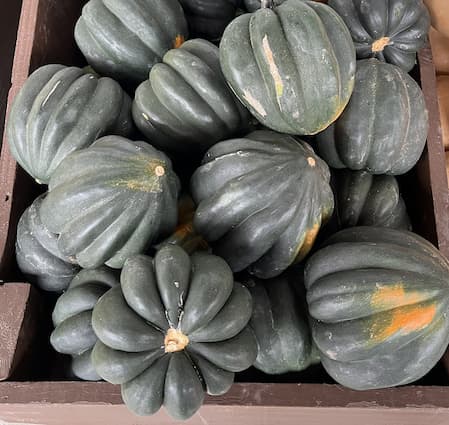
  • Acorn

  • Butternut

  • Buttercup

  • Hubbard , Blue hubbard. golden hubbard

  • Spaghetti Squash - After cooking, this interesting squash can be pulled out in strands similar in appearance to spaghetti,. It's popular with kids.

  • Cushaw

Summer Squashes:

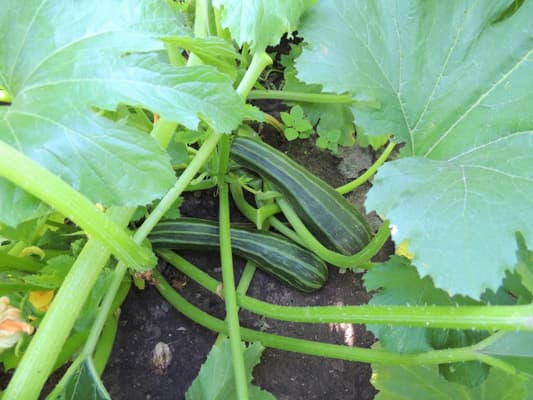
  • Zucchini

  • Crookneck Summer Squash

  • Straightneck Summer Squash


Days to Maturity:

Most summer squashes require 45 to 50 days to maturity. Winter squashes range from 70 to 110 days or more. The larger fruited varieties, like Blue Hubbard, require the most time.

Did you know? Most people know that giant pumpkin growing is a big hobby, with avid growers. But, did you know that almost all pumpkin weighoffs also have a category for giant squash? Giant squash can grow over 1,000 pounds!


Sowing Squash Seeds:


Plant in rows or hills, planting seeds one inch deep. Row spacing is dependent upon the variety you are planting. In hills, plant four to five per hill. After they have germinated, keep the best two to three squash plants. Cover very lightly with soil. Water the first day and if there is no rain, every two to three days until they germinate.


How to Grow Squash:

Squash plants should be grown in full sun.

Squash plants are food hogs. They need a rich garden soil, and ample fertilizer. The soil should be well drained. A side dressing of fertilizer and regular feedings of fertilizer will significantly help the health of the plant and the size of the harvest.

Water regularly, especially during dry periods and the fruit growth stage. Water deeply. Like other garden vegetables, keep soil moist, not wet. It is important to note, that irregular watering, can result in pre-mature ripening of the fruit.

Weed regularly, especially during the early growth stage. Adding a layer of mulch or compost, will keep the weeds down, and feed the plant.

Train vines to go in the direction you want them to go. Carefully, and slowly, turn vines as needed. Move them a little each day. Trim vines, removing tertiary vines to promote larger fruit growth.

Tip: Bury vines with an inch or two of garden soil, to encourage secondary root growth.


Insects and Pests:


The Cucumber Beetle is the dreaded pest of all members of the Cucurbita family. Cucumber Beetles are either striped or spotted. They feed on the leaves of the plants, and can cause even greater damage. They spread disease from one plant to another. They are effectively treated with most insecticides.

Squash Vine Borers (SVB's) are a serious problem in some areas. SVB's bore into the vine, and eats the vine from the inside out. Untreated, it ends your season. More on Squash Vine Borers.

A variety of other pests can also cause problems, depending upon where you live. Apply insecticides as needed, following the directions on the label.


Diseases of Squash:


As a member of the Cucurbita family, most squash are susceptible variety of bacteria and fungus diseases. Among the most common, are powdery mildew and bacterial wilt. Plant disease problems are most common in hot and humid weather. A strong plant, healthy plant and fungicide treatment will help avoid these problems. Treat with fungicides at the first sign of problems.


Hardiness:


Squash is not a hardy plant. They are susceptible to frost in the spring and fall. They are also very susceptible to insects and disease. But, most growers successfully plant and harvest at least one variety.


More information:

Baked Squash Recipe

More Garden Recipes

Die Squash, Die Got too much squash!?!


More Information:

Buy Vegetable Seeds Finest quality Ferry Morse Seed, America's oldest seed company with their famous "guarantee to grow".

Veggie Cages Throw away the wire and hoop cages. Try them on your vining squash. This revolutionary cage expands a whopping 7ft! Stores flat in almost no space. Try them on sweet peas, tomatoes, pole beans, and other climbing climbing flowers and vegetables.

Sponsors -

Shop For:

Gardening:
Annual Seeds
Perennials Seeds
Vegetable Seeds
Herb Seeds
Organic Seed/Supply

Flower Bulbs
Composters
Greenhouses
Houseplants
Planters
Raised Beds
Supplies

Tools

Yard & Deck:
Grills
Hammocks
Hose Carts/Reels
Outdoor Fireplace
Outdoor Storage
Statues/Elves
Pest Control

Seasonal:
Halloween
Thanksgiving
Christmas
Other Holidays
Carving Stuff
Jello Molds
Lights
House Flags
Candles
Decorations
Kitchen/Party Supply

TGN OnLine Florist


| Home | A to Z's of Growing | Flowers | Fruit | Bulbs | Vegetables | Lawncare | Pumpkins | Houseplants |
| Shopping |
Herbs | Organic | Fun and Games | 4 the Birds | Garden Recipes | Advertise | Contact Us |


Copyright 1999-2009 © Premier Star Company